
world blood donation day june 14
World Blood Donor Day, observed on June 14, honors voluntary blood donors who help save millions of lives every year. Learn about the importance of blood donation, donor eligibility, health benefits, and how a single donation can make a life-changing difference for patients in need.
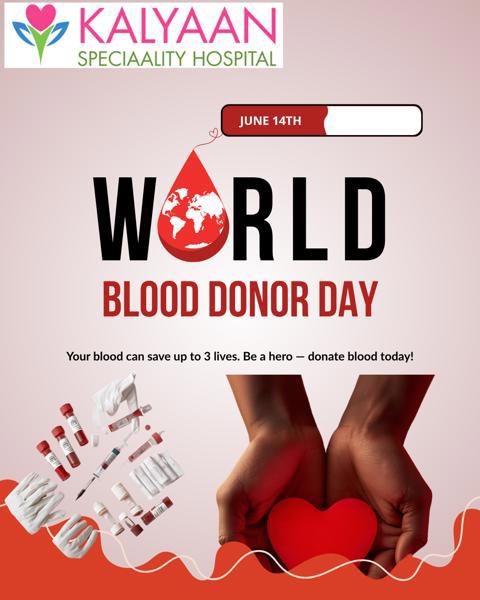
World Blood Donor Day: A Simple Act That Saves Lives
Introduction
Every year on June 14, the world observes World Blood Donor Day to recognize and thank voluntary blood donors for their invaluable contribution to healthcare. This global awareness day serves as a reminder of the critical need for safe blood and blood products in hospitals and emergency care settings.
Blood is an essential resource that cannot be manufactured artificially. It can only come from generous individuals willing to donate. A single blood donation has the potential to save multiple lives, making blood donors true everyday heroes.
Why World Blood Donor Day Is Important
World Blood Donor Day was established to raise awareness about the need for regular blood donations and to encourage healthy individuals to become voluntary donors.
Hospitals rely on a steady supply of donated blood for:
- Emergency trauma and accident victims
- Major surgeries
- Cancer treatments
- Organ transplant procedures
- Childbirth-related complications
- Patients with blood disorders such as thalassemia and sickle cell disease
- Critical care and intensive care unit (ICU) patients
Without adequate blood supplies, many life-saving treatments and medical procedures would not be possible.
The Lifesaving Impact of Blood Donation
Blood donation plays a crucial role in healthcare systems worldwide. Every day, patients require blood transfusions for various medical conditions and emergencies.
Donated blood can be separated into different components:
Red Blood Cells
Used to treat anemia, blood loss, and surgical patients.
Platelets
Essential for cancer patients, individuals with clotting disorders, and those undergoing chemotherapy.
Plasma
Used in treating burns, trauma cases, liver diseases, and certain bleeding disorders.
Because blood can be divided into multiple components, one donation can benefit more than one patient.
Who Can Donate Blood?
Eligibility criteria may vary slightly depending on local regulations, but generally, a person can donate blood if they:
- Are in good overall health
- Meet the minimum age requirement
- Have an appropriate body weight
- Have normal blood pressure and hemoglobin levels
- Are free from active infections or serious illnesses
A healthcare professional will conduct a brief medical assessment before donation to ensure donor and recipient safety.
Common Myths About Blood Donation
Myth 1: Blood Donation Is Painful
Apart from a brief needle prick, the donation process is generally comfortable and safe.
Myth 2: Donating Blood Causes Weakness
Most healthy donors recover quickly and can return to normal activities after adequate rest and hydration.
Myth 3: Blood Donation Is Unsafe
Blood donation follows strict safety protocols using sterile, single-use equipment, ensuring there is no risk of infection from the donation process.
Myth 4: Rare Blood Types Are the Only Important Ones
All blood groups are important. Regular donations from every blood type help maintain sufficient supplies for patients in need.
Health Benefits of Blood Donation
While the primary purpose of donating blood is to help others, donors may also experience certain health benefits:
Health Screening Opportunity
Before donation, basic health parameters such as blood pressure, pulse rate, and hemoglobin levels are checked.
Encourages Healthy Habits
Regular donors often become more conscious about maintaining good health and nutrition.
Sense of Social Contribution
Many donors experience a strong sense of fulfillment knowing they have contributed to saving lives within their community.
Preparing for Blood Donation
To ensure a smooth donation experience:
- Drink plenty of water before donating
- Eat a healthy meal before the appointment
- Avoid donating on an empty stomach
- Get adequate sleep the night before
- Follow post-donation instructions provided by healthcare professionals
The Ongoing Need for Blood Donors
Blood has a limited shelf life, making regular donations essential. Hospitals require a continuous supply of blood throughout the year to meet patient needs.
Seasonal shortages, emergencies, and increasing healthcare demands highlight the importance of maintaining a strong donor community. Every donation contributes to a safer and more resilient healthcare system.
A Message on World Blood Donor Day
World Blood Donor Day is an opportunity to celebrate the generosity of voluntary donors and encourage more individuals to participate in this noble cause.
By donating blood, you provide hope to patients undergoing surgery, recovering from accidents, fighting cancer, or managing chronic medical conditions. Your contribution may be the reason someone receives a second chance at life.
Conclusion
Blood donation remains one of the most meaningful ways to support healthcare and save lives. On this World Blood Donor Day, let us recognize the remarkable impact of blood donors and encourage greater awareness about the importance of regular voluntary blood donation.
A single donation can make a significant difference. Consider becoming a blood donor and join the global effort to ensure safe blood is available whenever and wherever it is needed.
Dr Kalyanaraman
Healthcare insights from Kalyaan Speciaalty Hospital
Enjoy Latrexa health information?
Add Latrexa as a Preferred Source on Google so useful articles and patient guides can show up more often in your Search results.
Add Latrexa as a Preferred Source on Google